
What Happened to the Formal Living Room?
and why today’s homeowners are giving it a whole new purpose.
For decades, the formal living room was a staple of the American home. It was a perfectly curated room with beautiful furniture, designed to look good and impress guests. It was just for show, and lot of families rarely actually used it.
As the way we live at home has changed, so has our attitude toward rooms that exist primarily for appearances. Today's homeowners are asking: How can we make this space work better for us?
The Formal Living Room Was Once a Status Symbol
If you walked into a home from a few decades ago you might find a formal living room positioned right near the entryway. It was the first room guests saw, and it was meant to make an impression. Picture matching sofas and chairs, very traditional furniture, decorative lamps, and pink or off-white wall-to-wall carpet. The room wasn't designed around everyday life. Instead, it was designed around presentation.
Meanwhile, the family was probably spending most of their time somewhere else such as, the family room (a.k.a. the “living” room that is actually lived in), kitchen, finished basement, or around the dining table. Over time, homeowners started to question the logic of dedicating hundreds of square feet to a room that sat untouched and unused on most days. I think most of us can agree it is incredibly impractical, especially if you are short on space.
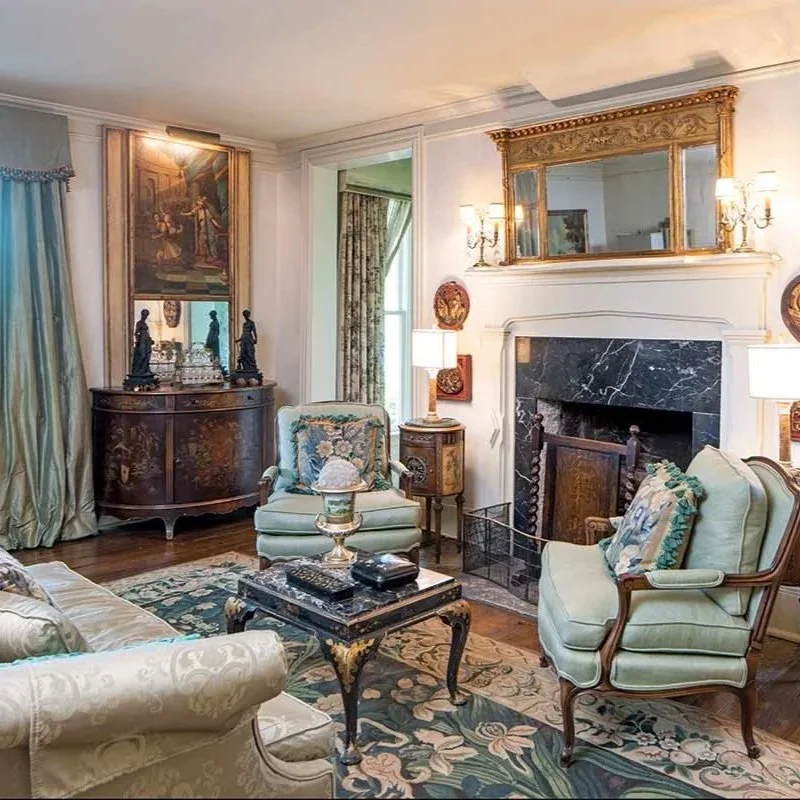
Source: Photography by Jim Bathie on The Cottage Journal
Enter the Open-Concept Floor Plan
The rise of open-concept homes changed things even more. Kitchens began opening directly into family rooms. Oversized islands replaced formal dining tables for everyday meals. Large “great rooms” combined cooking, eating, relaxing, and entertaining into one central space.
Suddenly, there wasn’t much of a need for a separate formal living room. But that doesn't mean the extra room disappeared. It just became an opportunity.
So What Are Homeowners Doing With It Now?
Instead of keeping the formal living room perfectly preserved, homeowners are turning it into whatever their household actually needs.
1) Home Office
With remote work becoming more common since 2020, some homeowners find the formal living room can make for an excellent office, especially if it gets good natural light! And unlike squeezing a desk into a bedroom corner, using the formal living room allows the workspace to feel like its own destination.
Since this room is typically open to the entrance of the house (so everyone sees it when they come in), the key is hiding clutter and designing the room so it still feels like a cohesive part of the home. A beautiful desk, comfortable chair, a bookcase, some artwork, and decorative lighting can make the space feel like a thoughtfully designed room. And if you need privacy, you can always add doors to make the room enclosed.
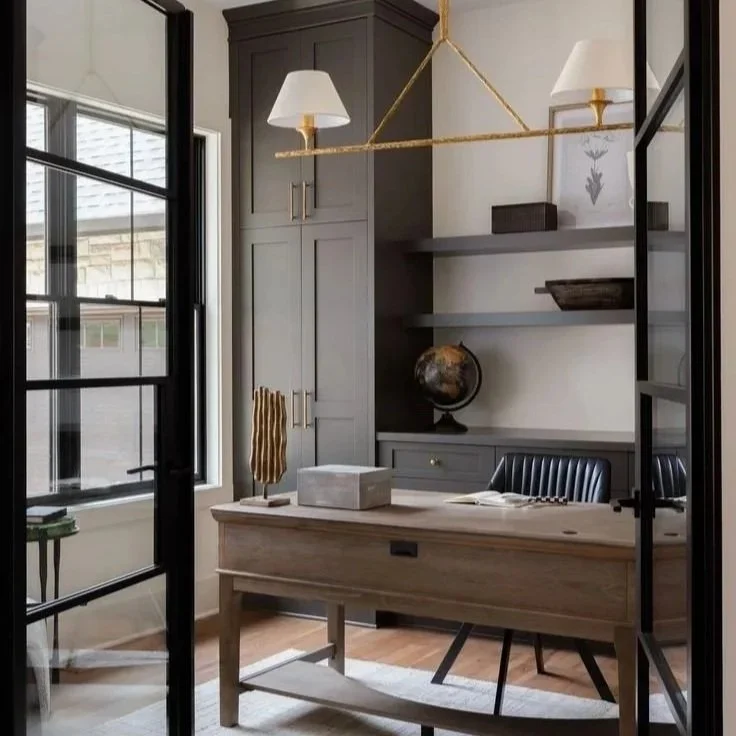
Source: Pinterest Aguilar Design Studio
2) Playroom That Includes Room for Adults Too
Families with young children might find that the formal living room has the perfect footprint for a space where caregivers can spend quality time with the kids. Storage ottomans, cute baskets, low shelving (strapped to the wall), washable rugs, and furniture with performance fabric, can create a space that's functional while still fitting into the overall design of the home. Having a table for board games and art projects is also great to include. This could also be a good spot for homework, and can be used for the kids table during holiday feasts.
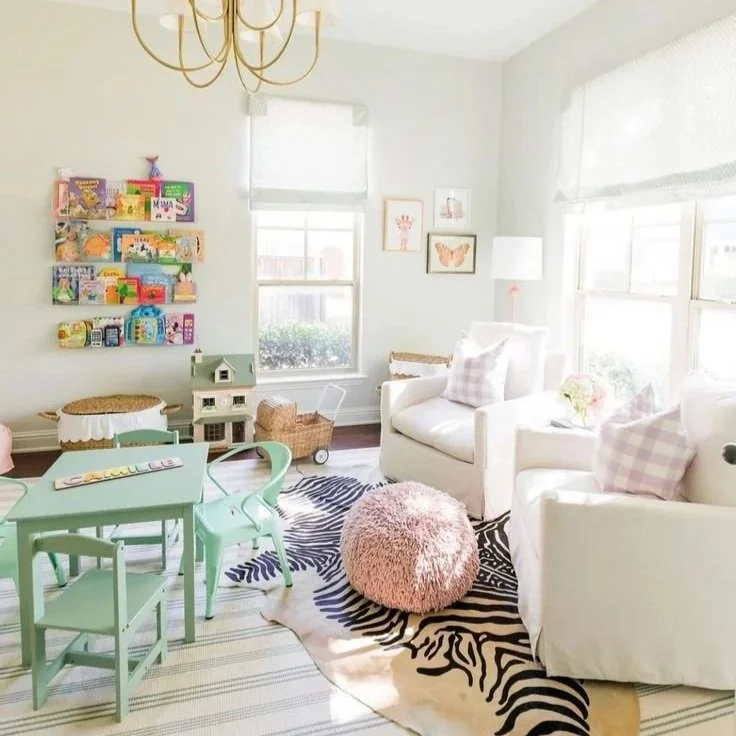
Source: Pinterest Christopher Architecture & Interiors
3) Den for Entertaining
If you love hosting, the formal living room may be the perfect place to lean into that purpose. We’ve seen a number of rooms off the foyer which we would call a “den”, which could be used as a flex space. These rooms sometimes have formal wood paneling on the walls and/or ceiling, and perhaps built-in bookshelves and cabinetry. This room is sometimes primarily used as a home office, but could instead be used as a tv watching space.
You might create a small bar area off to the side, either on a tray on top of a cabinet/shelf, or with a bar cart. Adding ambient lighting, comfortable seating, cocktail tables, and art, can turn the space into a dedicated entertaining zone. It also creates a natural separation from the main family room, which can be especially useful when you're hosting guests.

source: Connor Knight Design
4) Library or Reading Room
If your home already has enough rooms with TVs, why not make the bonus living room a quieter place to unwind? Bookshelves, a pair of comfortable chairs, a reading lamp, and a small side table, can turn an underused room into a cozy retreat. It doesn't need to be completely filled with books, either. A mix of books, collected objects, and meaningful pieces can make the room feel personal without becoming overly formal.
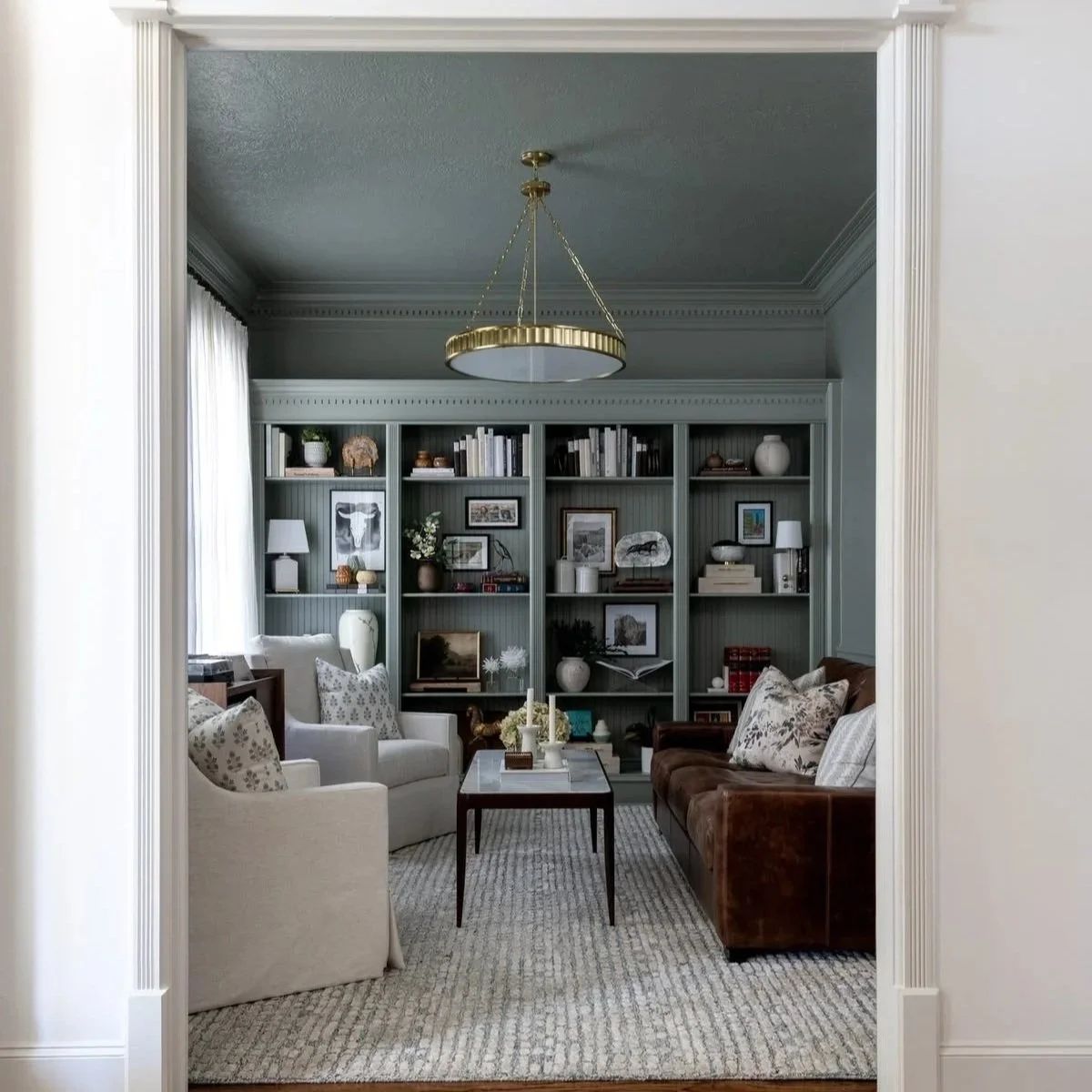
Source: Pinterest Nikole Starr Interiors
5) Hobby Room
Perhaps one of the most fun new uses for the formal living room is turning it into a dedicated space for the things you love to do. An art room, craft room, sewing room, music room, or even a space for wrapping gifts can give an underused room a very personal purpose.
Think large worktables, plenty of storage, good task lighting, and surfaces that can handle a little mess. Open shelving can keep supplies within reach, while cabinets and baskets can hide everything away when you're finished.
And unlike a multipurpose kitchen counter or dining table that has to be cleared every time you need it, a dedicated hobby room lets you leave your project out and come back to it later. That's one of the biggest luxuries a room can provide: space to make something.
A hobby room doesn't have to sacrifice style. Beautiful cabinetry, vintage furniture, woven baskets, colorful artwork, and thoughtfully chosen lighting can make the room feel just as intentional as any other space in the house.
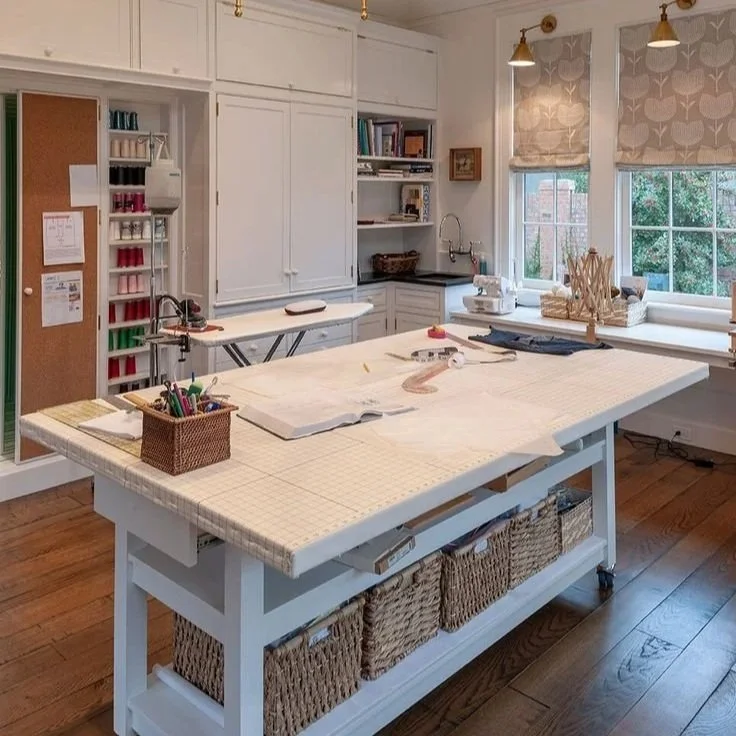
Source: Gunn Construction and Building
Design for How You Actually Live
The biggest change isn't really about furniture or floor plans. It's about priorities.
Today's homes need to accommodate more than ever. A formal living room might be an office during the week, a reading room on Sunday morning, and a cocktail space when friends come over. Choose furniture that can move and serve multiple purposes. Add storage where you can. Use different lighting to create different moods. If you’re not sure how to accomplish that – contact a designer!
Homeowners are becoming less interested in having rooms that exist simply just because they're supposed to be there. Instead, they're looking at every square foot and asking whether it supports the way their family lives.
So, if you have a formal living room that's currently sitting untouched, don't feel like you have to get rid of it. Instead, ask yourself:
What does my home need more of?
A quiet place to read?
A dedicated workspace?
A room for entertaining?
A space for the kids?
A functional and fun hobby room?
Or simply a comfortable place to sit and talk?
Your answer might be the best design plan for that room.