
Simple Design Goals for the New Year
The start of a new year is the perfect time to refresh your home. You don’t need a full-scale renovation or a big budget to make a space feel better—often, it’s the small, thoughtful choices that can create the biggest impact. This year, focus on simplicity, comfort, and intention in the way you decorate and live in your home.
Take a look at these 5 different ideas to implement in your New Year design goals.
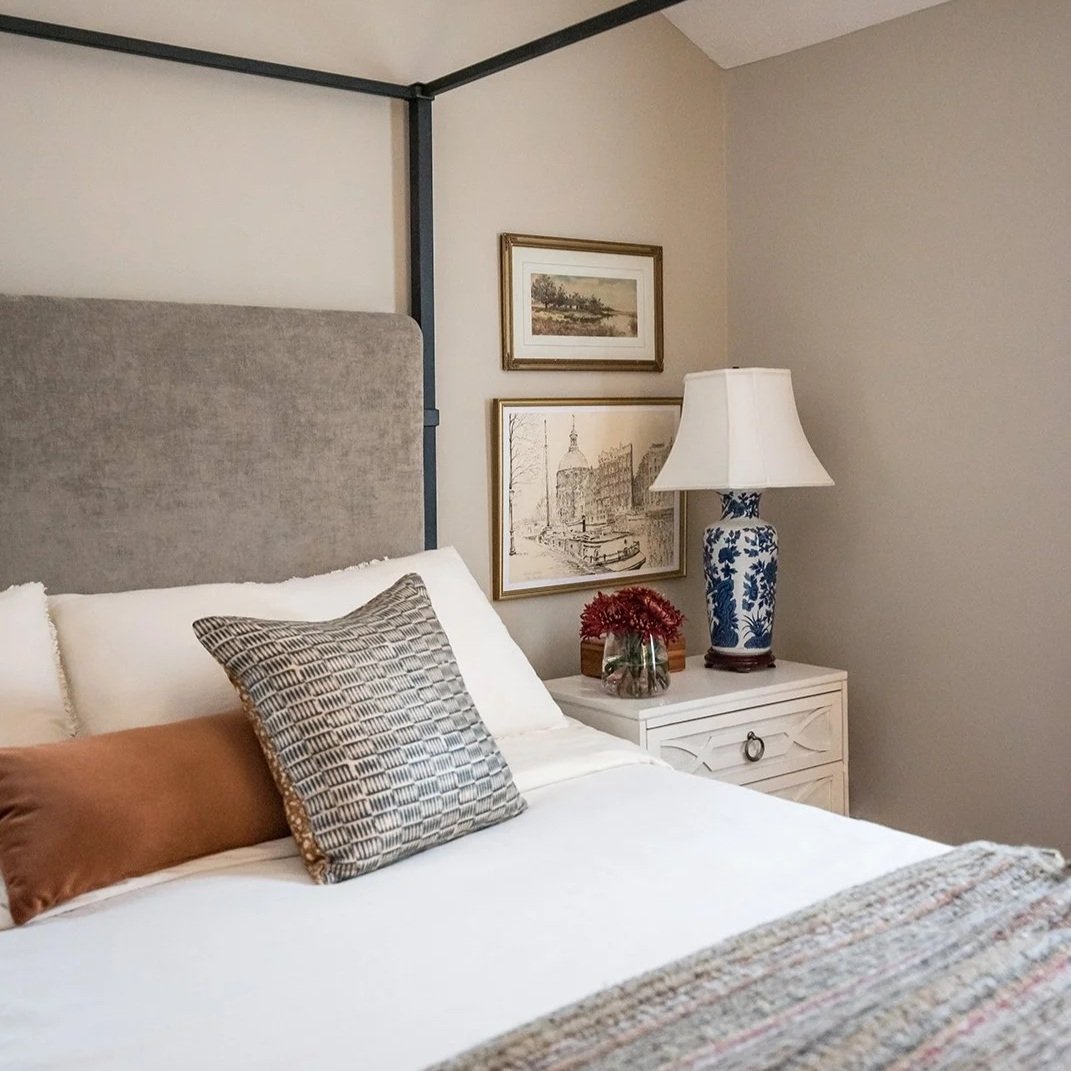
1. Create calm, uncluttered spaces
A calm home starts with less visual noise. When too many items compete for attention, even beautiful spaces can feel stressful or unfinished. Take time to edit each room by removing décor that no longer feels relevant or functional.
Focus on keeping surfaces like coffee tables, kitchen counters, and nightstands mostly clear. Use trays, baskets, and closed storage to organize everyday items (like that ever-growing pile of papers and artwork that comes home with the kids every day). Let a few well-chosen pieces—like a favorite lamp or piece of art—be the focal point instead of filling every corner.
2. Choose comfort as a priority
Comfort should be at the heart of every design decision. A room may look great in photos, but if it’s not comfortable to live in, it won’t be enjoyed. Pay attention to seating depth, fabric textures, and how furniture is arranged.
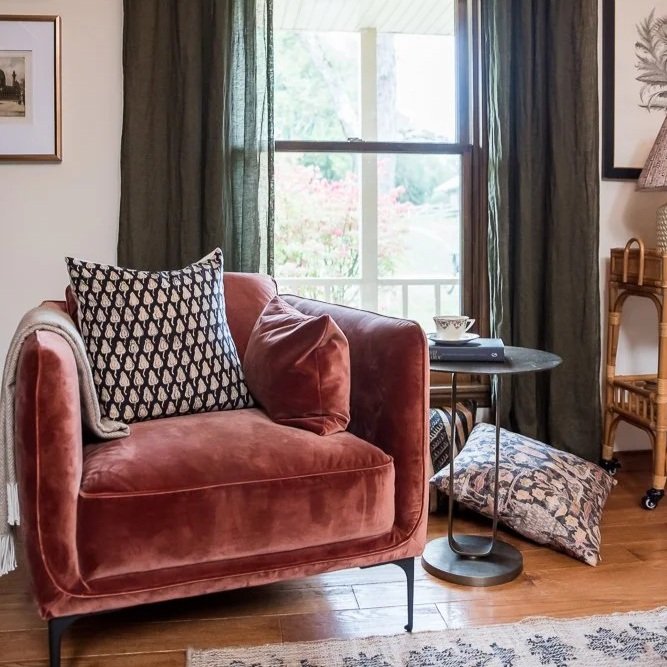
Make sure seating is practical for how you use the space, whether that’s watching TV, enjoying a view, reading, or hosting guests. Comfortable homes invite people to stay longer and feel more at ease. The jewel-toned velvet chair shown in this photo from our lead designer Sara Dahl’s house looks luxurious, but it is also stain repellent (100% polyester), and the chair is very deep so you feel like you are in a cocoon. It’s the best seat in the house because, aside from being comfortable, it’s the best view point from where you can see into multiple areas of the home, and the outdoor view through the windows along the back of the house.
A budget friendly tip to try are throw pillows with removable covers. Having different covers for each season is an easy decor swap that changes the feel of the room. For example, have light colored linen covers to use in summer that adds a soft touch of color, and dark boucle covers for the winter for a cozy, warm feel. Both options create a comfortable feel in different ways that match the seasons.
3. Stick to a simple color palette
Are you feeling like your home has way too much beige, and you want to pull in a little color but aren’t sure where or how much? A cohesive color palette helps your home feel intentional and balanced. Start with neutral walls or large furniture pieces, then layer in color through textiles, artwork, and accessories. Keeping colors consistent from room to room creates a natural flow and makes your home feel more connected and calmer.
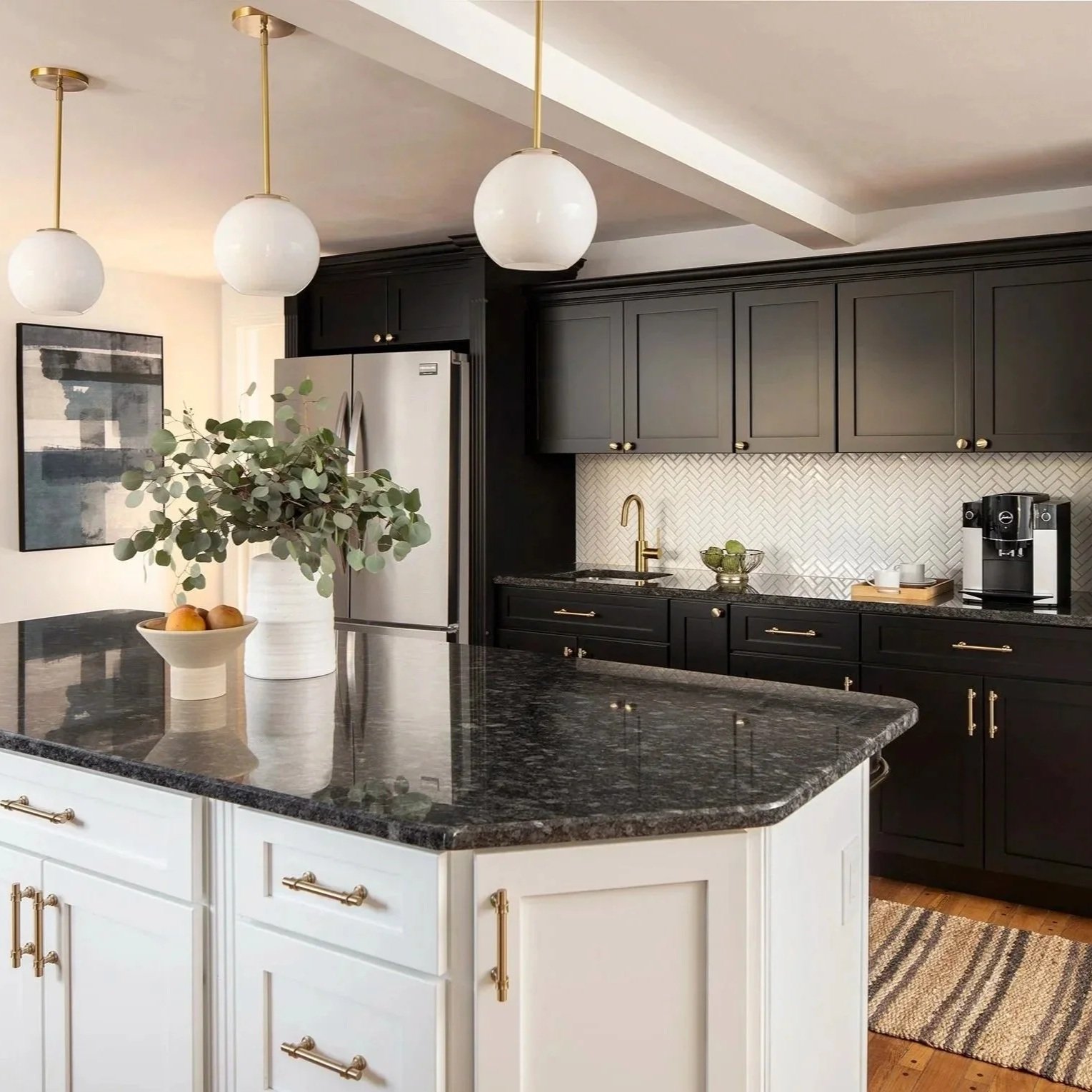
In design we use the “60-30-10 rule”. It’s a design principle for creating color palettes. In short it means 60% of a dominant color (walls, big furniture), 30% secondary color (curtains, accent furniture, bedding) and 10% for an accent color (pillows, decorative accents). To break it down by example in the picture shown here, the dominant color (60%) would be the white seen on the walls, island, ceiling, and backsplash. The secondary color (30%) would be the black as seen on the back cabinets and countertops. The accent color (10%) would be the gold as seen on the hardware and lighting fixtures.
4. Be intentional with décor
Decorating with intention means choosing quality over quantity. Instead of filling shelves and walls just to fill them, focus on pieces that tell a story or serve a purpose.
Mix personal items with functional décor, such as decorative bowls, books, or vases. Give items room to breathe so they feel special rather than crowded. Thoughtful styling makes your home feel curated, personal, and timeless.
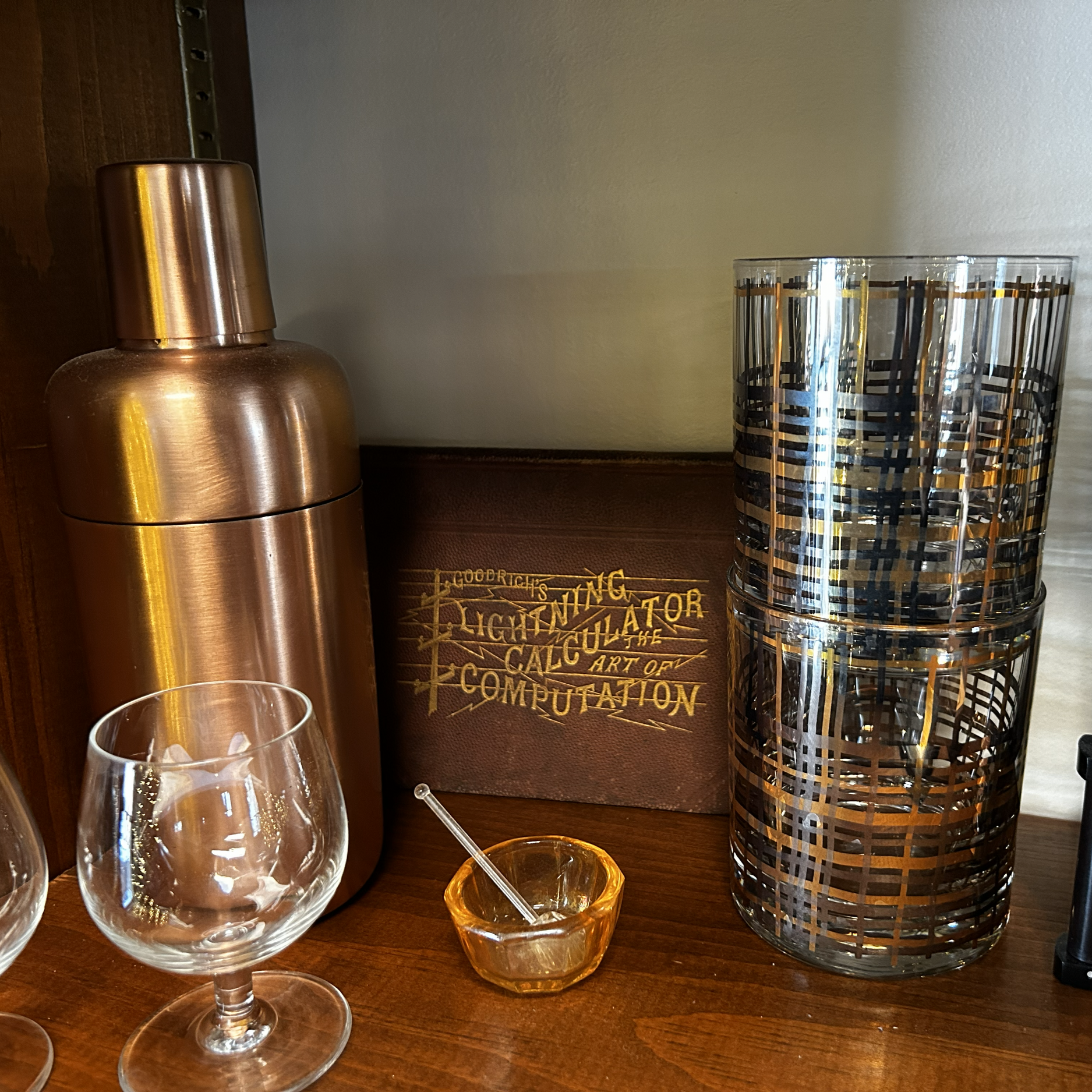
Heirlooms and sentimental pieces often make the most compelling focal points. Here’s another example from Sara’s home—a collection of beautiful old books passed down from her great-great-grandfather is displayed throughout her bookshelves. This vignette highlights her favorite from the collection: a small leather booklet titled Goodrich’s Lightning Calculator and the Art of Computation, with gold embossing, printed in 1873. The result is a meaningful, visually layered display that blends personal history with thoughtful styling.
5. Bring in natural elements
Natural elements add warmth, texture, and balance to a space. Incorporate materials like wood, stone, linen, wool, and ceramics to keep rooms from feeling flat or overly polished.
Also, plants are an easy way to add life and color. Even one or two well-placed plants can make a room feel fresher and more welcoming. Natural materials help create a home that feels relaxed, grounded, and comfortable. Creating a timeless base also makes it easier to swap seasonal decorations in and out. Try using evergreens in winter and ferns in summer.
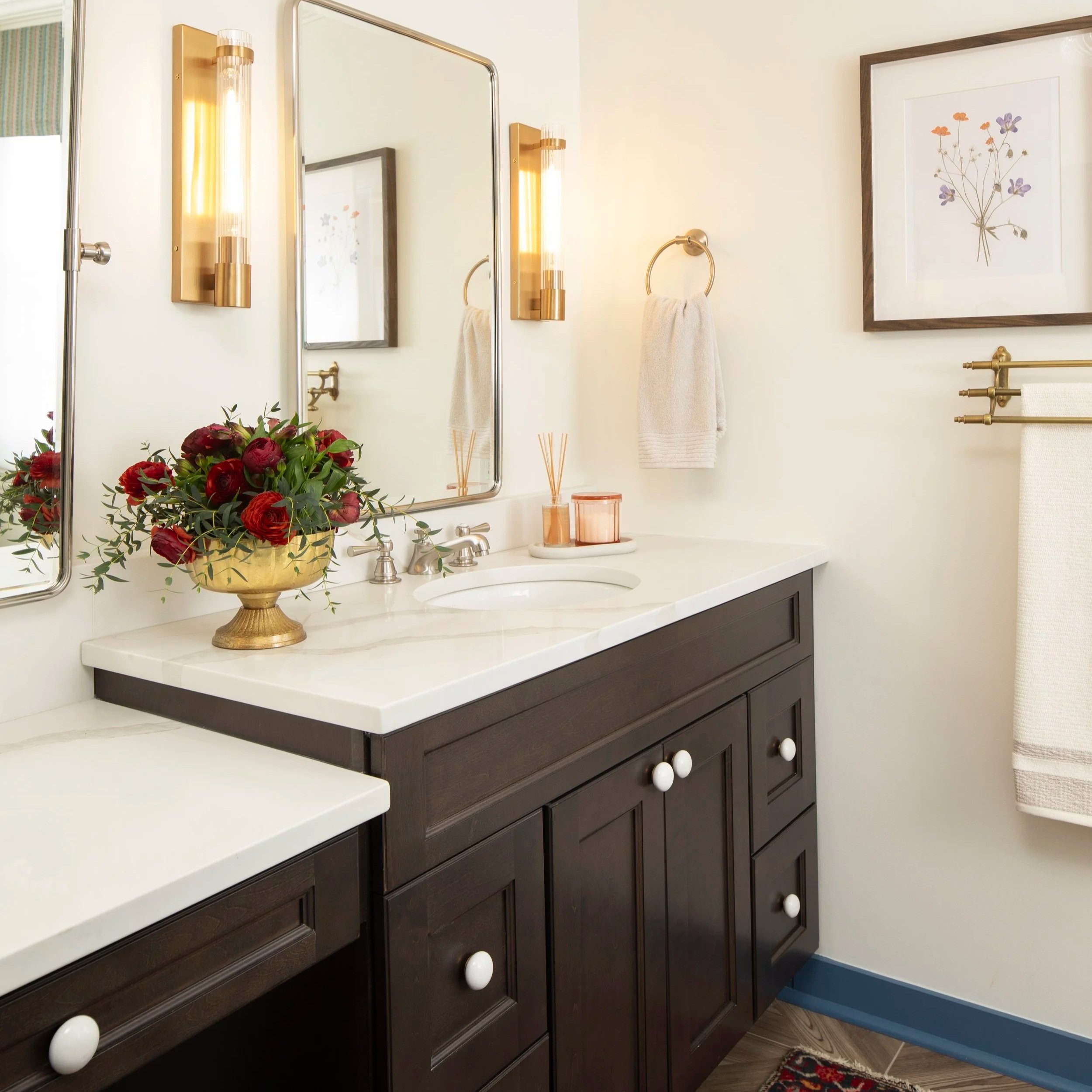
For example, a decorative vase or bowl of colorful flowers adds a pop of color and is eye catching against a polished, sleek room.
As you move into the new year, think of home design as a process rather than a project with a finish line. By focusing on calm spaces, comfort, thoughtful choices, and small improvements, you can create a home that feels welcoming and easy to live in. You don’t need to overhaul your entire home to see progress. Small updates can make a big difference when they’re done thoughtfully over time. Simple design goals help you make decisions with confidence and intention—resulting in a space that supports your daily life and feels truly like home.