Don’t Be A Dummy: Our Guide to Interior Door Hardware and Finishes
When designing the interior of a home, door hardware is often an afterthought, yet it plays a significant role in both functionality and style. Choosing the right hardware not only impacts how a room functions, but can also add a cohesive touch to your home’s design. In this post, we’ll help you avoid feeling like a “dummy” when shopping for hardware. We’ll explain the different types of interior door handles, including privacy, passage, smart, and dummy. And for bonus points, we’ll explain how you can creatively use multiple hardware finishes throughout your home.
Types of Interior Door Hardware
Passage Handles
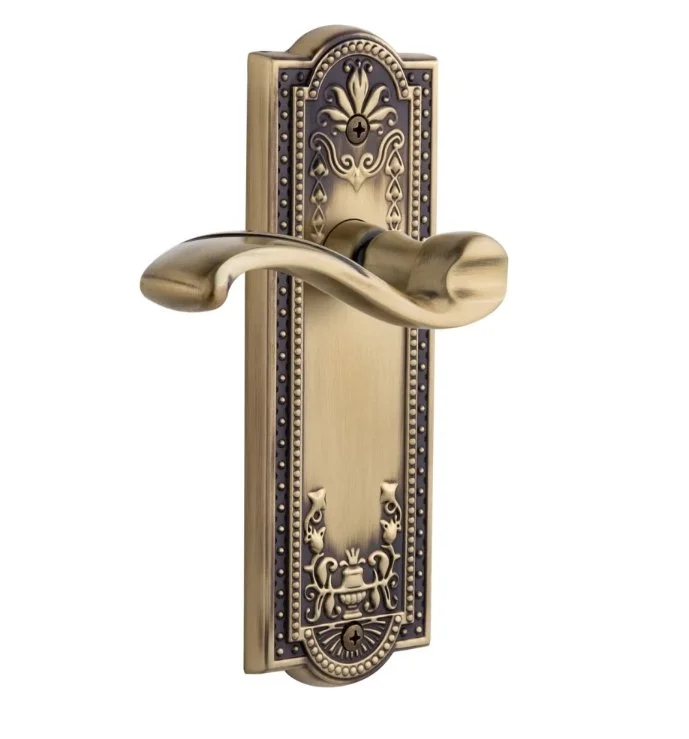
Passage handles are ideal for areas where privacy isn’t a concern, such as closets, hallways, or other communal spaces. These handles do not have a locking mechanism, making them purely functional for spaces that require easy access.
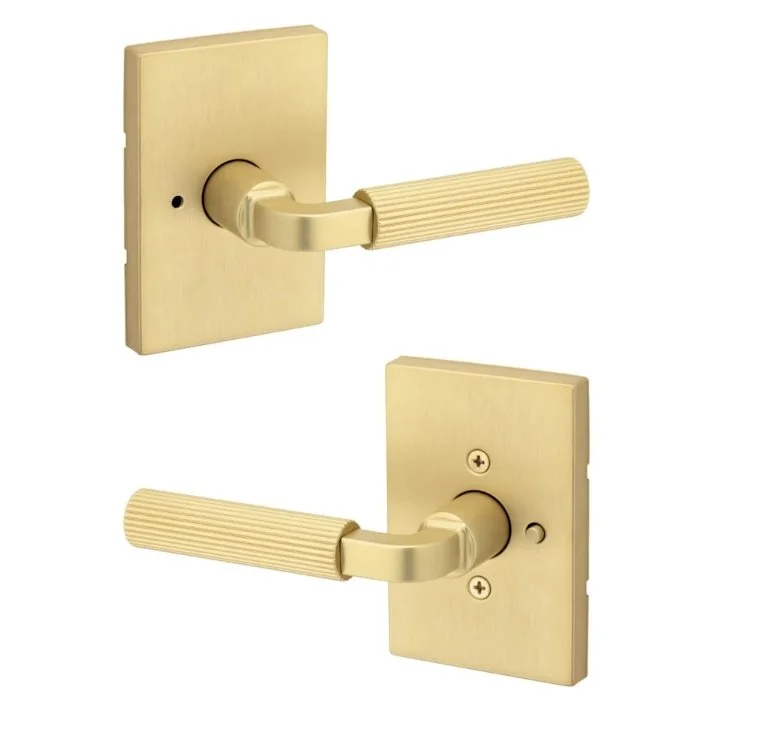
Privacy Handles
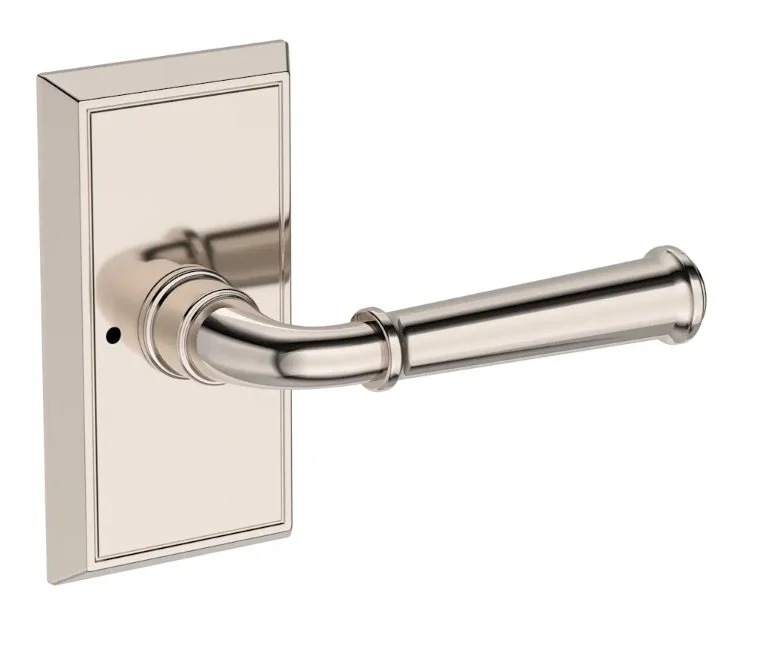
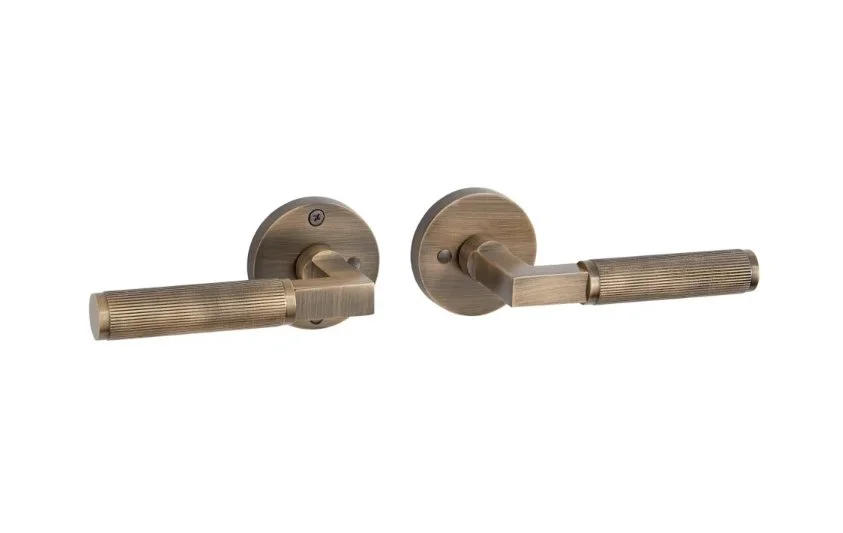
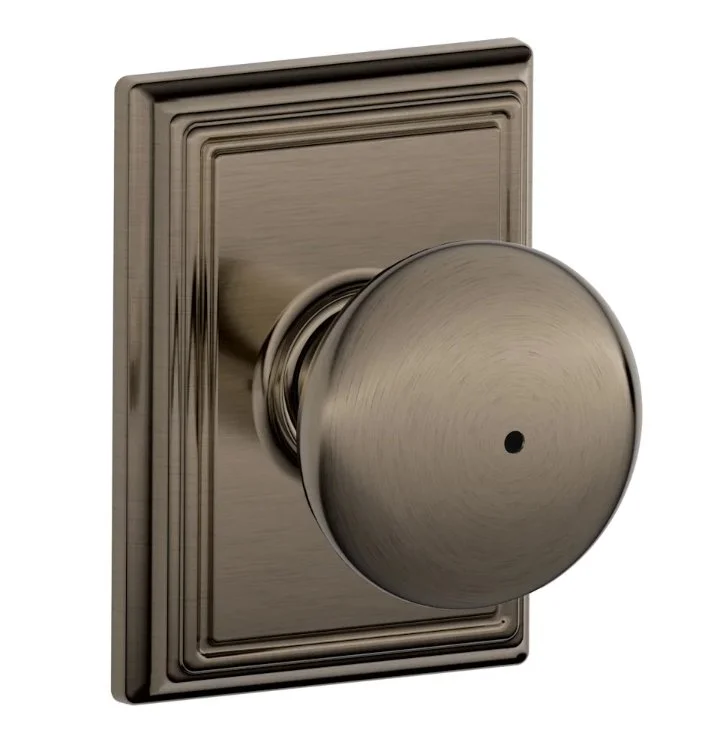
Privacy handles are commonly used in bedrooms, bathrooms, and any interior door where a lock is needed but full security isn’t the priority. They come with a locking mechanism that can be engaged from the inside of the room, but can also be unlocked from the outside in case of emergencies (often with a small tool or even a paperclip).
When choosing privacy handles, there are a few locking mechanisms to consider:
Push-Button Lock: Located on the interior side of the handle, this button is pressed to lock the door. It usually unlocks automatically when the handle is turned from the inside, making it user-friendly and safe.
Turn-Button Lock: Also on the interior side, this style features a small knob you turn to lock the door. It typically stays locked until manually unlocked (ideal for users who want more control).
Privacy Pin Hole Release: Regardless of the lock style, most privacy handles include a pinhole or slot on the exterior side. This allows you to unlock the door with a generic privacy key or tool, which is essential for safety in households with children or guests.
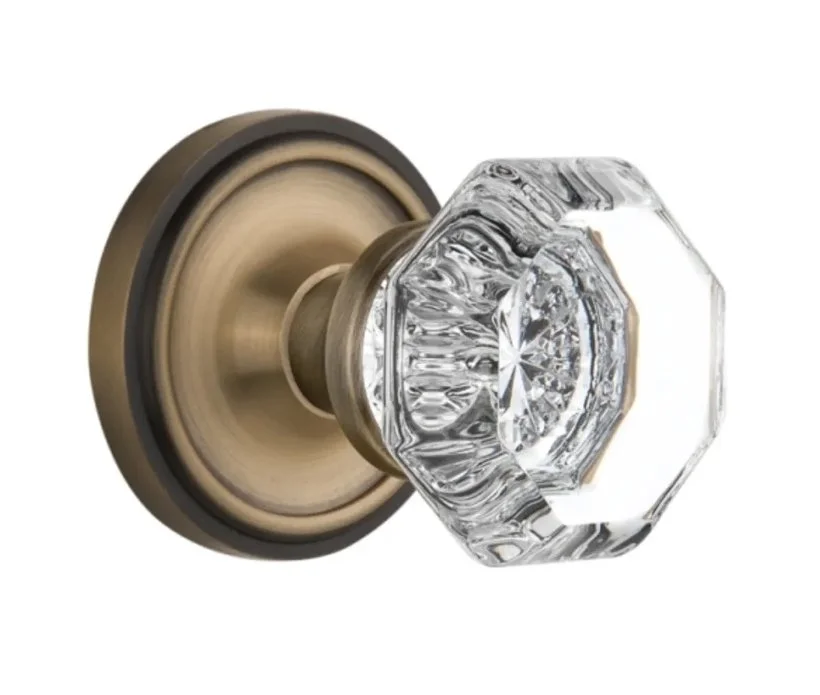
Dummy Handles
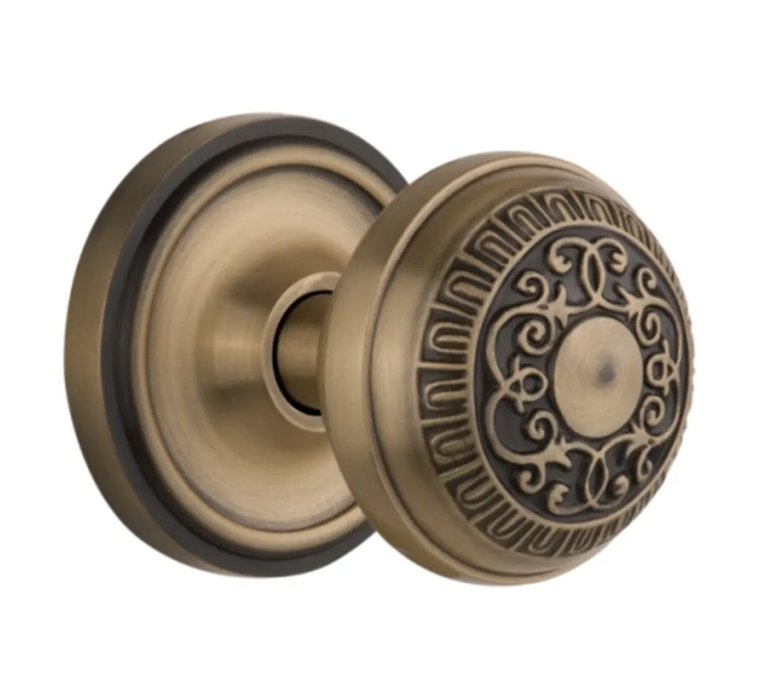
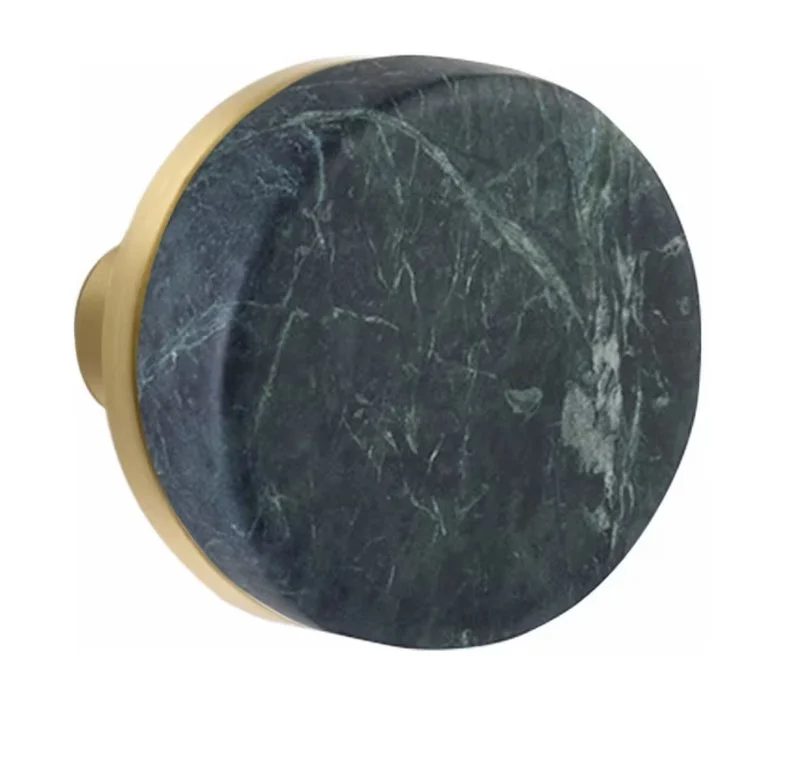
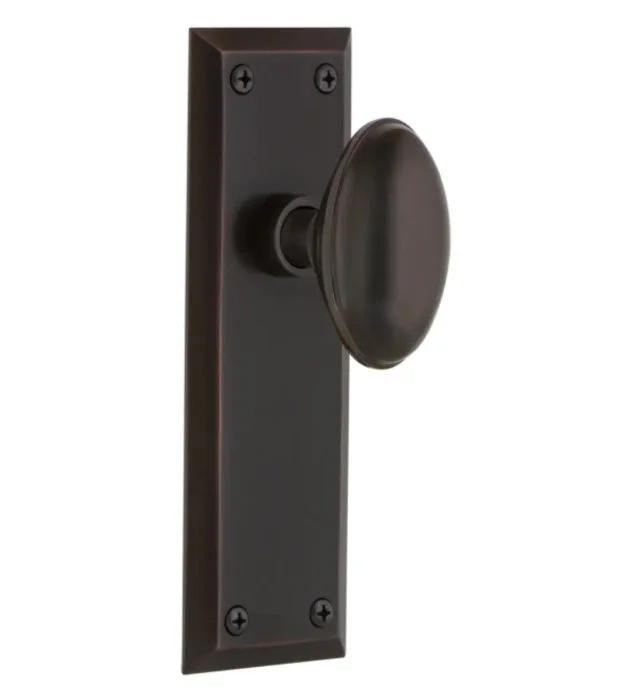
Dummy handles are typically used on doors that don’t need to lock, and don’t need to latch, such as bedroom closet doors or large cabinets. Think of these handles as cabinet door pulls – they provide a decorative but useful handle for opening a closet or a large cabinet door, offering the appearance of a functioning door handle without the mechanics.
Dummy handles are all about looks. Smart locks are all about brains. Luckily, today's hardware lets you have both!
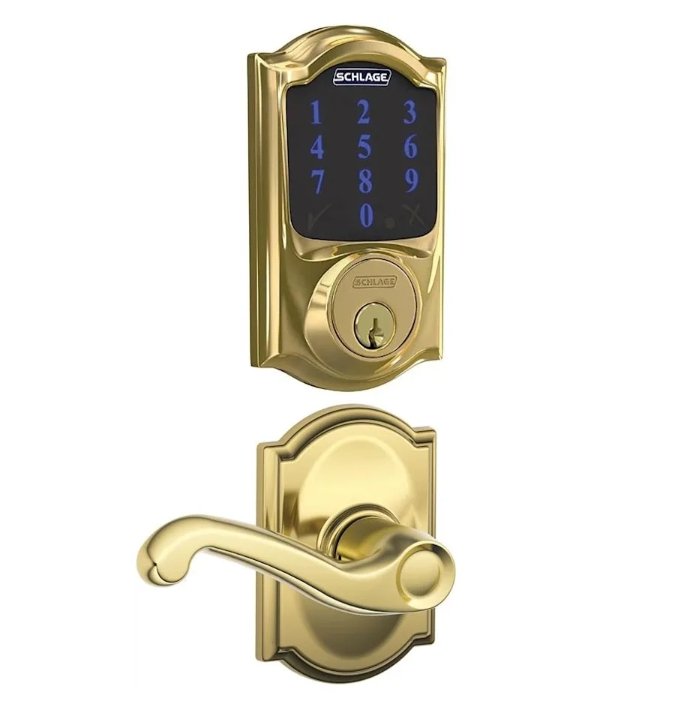
Smart Locks
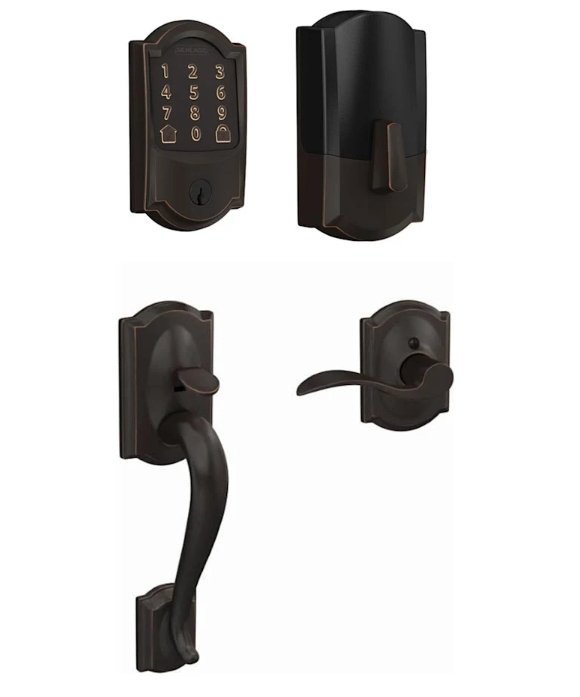
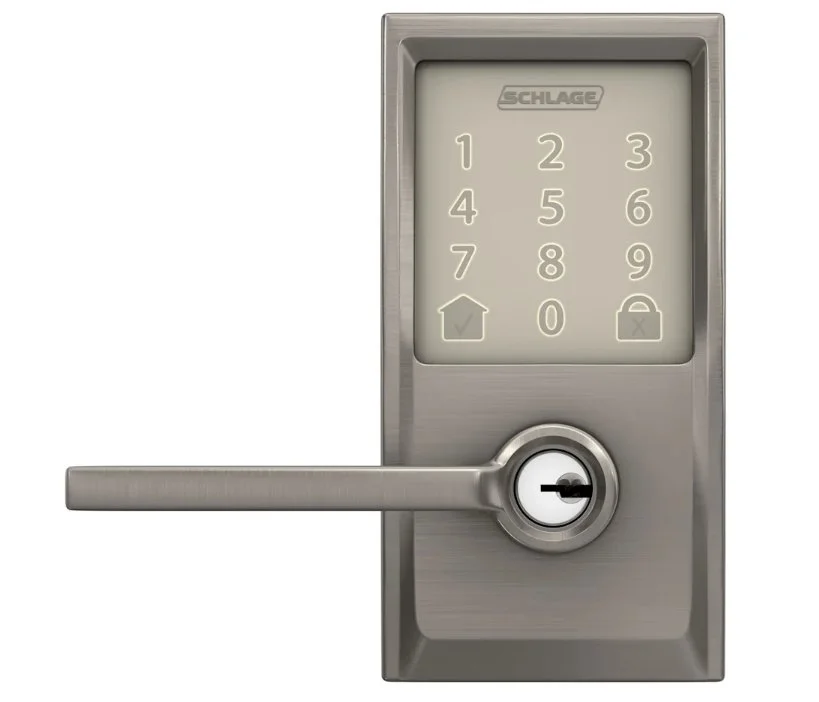
In addition to traditional door hardware, smart locks have become a popular choice for homeowners looking to enhance security and convenience. They are frequently used for secondary homes and short-term rentals, since they allow the owner or property manager to provide access to guests, maintenance providers, and cleaning crew, without a key. You can also use different lock codes for different people, so you know who entered the home and when.
Smart locks are most often used on entry doors, but can also be used on interior doors where additional security is needed, such as an office, a rental suite, or a walk-in closet that contains valuable belongings. They can blend seamlessly with your existing hardware, or be chosen in a complementary finish to enhance the room’s aesthetic.
If you made it this far and you are feeling quite smart yourself, let’s move on to hardware finishes…
Mixing and Matching Hardware Finishes
Don't feel locked into using the same hardware finish throughout your entire home. Different areas of the house often serve different purposes and have different design personalities.
For example, you can use one finish, such as matte black or brushed nickel, on the main floor of your home to create a modern or industrial vibe. Then upstairs bedrooms and bathrooms might have warmer finishes, such as aged brass or satin bronze, to complement softer furnishings and a more relaxed atmosphere. This approach can subtly define the different areas of your home, while still maintaining continuity on each floor.
Think of door hardware as another layer of your design scheme. Just as you wouldn't necessarily use the same paint color in every room, you don't have to use the same hardware finish throughout the entire house. The key (don’t worry, this is the last time I’ll use a door hardware pun) is to choose finishes that relate to the materials, fixtures, and overall character of each space. Good luck, and happy shopping!